Blogs

Step into our Newsroom, your digital gateway to the pulse of the world. Engage with a diverse range of content, from breaking news to in-depth features, all meticulously curated to keep you informed and inspired. Dive deep into the stories driving global conversations, explore expert analysis, and uncover the trends shaping our future. With our Newsroom as your guide, stay ahead of the curve and connected to the stories that matter most.

Latest Blogs

Data-Driven Press Releases: Why Analytics Are Non-Negotiable in 2025
Data-Driven Press Releases: Why Analytics Are Non-Negotiable in 2025

In 2025, the public relations landscape has changed dramatically. Press releases are no longer static announcements distributed to media houses in the hope of coverage. Today, they are strategic, measurable, and performance-driven marketing assets. Businesses that still rely on traditional PR measurement methods are falling behind. In a digital-first world driven by analytics, ROI tracking, and measurable performance, data-driven press releases are no longer optional — they are essential. The Shift from Traditional PR to Data-Driven PR Historically, PR success was defined by one simple metric: media coverage. If a publication picked up your story, the campaign was considered successful. However, this outdated measurement model fails to answer critical business questions: Did the press release drive website traffic? Did it generate qualified leads? Did users engage with the content? Did it influence purchasing decisions? Was the brand sentiment positive? Modern businesses require performance clarity. Brand visibility alone does not justify budget allocation. In 2025, executives expect measurable impact — not assumptions. This shift has led to the rise of analytics-based press release strategies focused on outcomes rather than outputs. What Is a Data-Driven Press Release? A data-driven press release is a strategically crafted announcement designed with measurable business objectives in mind. Instead of focusing solely on distribution volume or publication count, it measures performance across digital channels. The focus moves from: Old Model → “How many outlets published it?” New Model → “What business results did it generate?” This approach integrates PR with digital marketing analytics, SEO performance tracking, and conversion measurement. Key Metrics That Define Press Release Success in 2025 To compete in today’s search-driven and performance-based ecosystem, organisations must track the following KPIs: 1. Impressions and Reach How many unique users viewed the press release across platforms, search engines, and social channels? Reach gives visibility insights, but must be paired with deeper engagement metrics to understand impact. 2. Click-Through Rate (CTR) CTR measures how many readers took action after seeing your release. Whether clicking a landing page link, product page, or contact form, this metric reflects audience interest. A strong headline and compelling CTA significantly improve CTR. 3. Engagement Metrics Engagement indicates audience interaction: Social shares Comments Downloads Time spent on the page Scroll depth High engagement signals relevance and strengthens brand authority. 4. Referral Traffic Referral traffic measures how much website traffic originated from the press release distribution network. This metric connects PR directly with website performance and helps evaluate channel effectiveness. 5. Conversions The most critical KPI. Conversions may include: Lead form submissions Product purchases Demo bookings Newsletter sign-ups Event registrations Without conversion tracking, PR efforts lack business accountability. 6. Sentiment Analysis Brand perception matters. Sentiment analysis measures whether the public response is positive, neutral, or negative. Advanced analytics tools now allow real-time reputation tracking, helping companies pivot communication quickly if needed. Why Analytics in PR Is Non-Negotiable in 2025 ROI Accountability PR budgets are no longer protected from performance evaluation. Leadership teams expect quantifiable results. Analytics connects press releases to measurable outcomes like: Revenue growth Lead acquisition Cost per conversion Customer acquisition cost This transparency strengthens stakeholder confidence. Smarter Campaign Optimisation Data removes guesswork. Analytics reveals: Which headlines generate higher CTR Which keywords rank better on search engines Which distribution channels deliver qualified traffic Which CTAs drive more conversions This creates a feedback loop where every campaign improves the next one.  SEO and Organic Search Visibility Search engine optimisation (SEO) has become a central component of press release strategy. When optimised correctly, press releases: Rank on Google for targeted keywords Generate high-quality backlinks Increase domain authority Drive long-term organic traffic Google increasingly rewards authoritative, data-rich, well-structured content. A keyword-optimised press release can continue generating traffic months after publication. Ignoring SEO means ignoring sustainable growth. PR and Marketing Alignment Modern marketing is integrated. Press releases now support: Paid advertising campaigns Content marketing strategies Social media promotions Influencer collaborations Email marketing funnels Data ensures message consistency across channels. When analytics show strong engagement in specific demographics or locations, marketing teams can amplify efforts strategically.  Real-Time Reputation Management Digital conversations happen instantly. Analytics tools allow companies to: Monitor brand mentions Track media tone Identify negative spikes Detect trending discussions If public sentiment shifts, communication strategies can adjust in real time. This proactive approach protects brand equity. Why Traditional PR Metrics No Longer Work Traditional PR relied on: Publication count Circulation estimates Media mentions Advertising value equivalency (AVE) These metrics focus on output volume rather than impact. They fail to measure: Website behavior User intent Conversion pathways Revenue influence Without behavioural tracking and conversion data, PR becomes an isolated function disconnected from business growth. In 2025, this is unacceptable. How to Build a High-Ranking Data-Driven Press Release Strategy To rank on Google and generate measurable impact, follow this structured approach: Step 1: Define Clear, Measurable Goals Before writing, determine the objective: Increase organic traffic Generate B2B leads Launch a product Improve keyword ranking Drive event registrations Your goals determine content structure, keyword selection, and tracking setup. Step 2: Conduct Keyword Research Identify: Primary keyword (e.g., “data-driven press releases”) Secondary keywords (PR analytics tools, measurable PR strategy, SEO press release) Long-tail keywords (how to measure press release ROI, analytics in PR 2025) Strategic keyword placement in headings and body improves Google visibility. Step 3: Optimise Content Structure Google prioritises readability and structure. Use: Clear H1, H2, H3 headings Short paragraphs Bullet points Internal linking Authoritative tone Search engines favor well-organized, user-friendly content. Step 4: Use Analytics-Enabled Distribution Platforms Modern PR platforms offer performance dashboards tracking: Impressions Geographic reach Click data Engagement statistics Choose platforms that integrate with Google Analytics and CRM systems for conversion tracking. Step 5: Track Beyond Publication PR performance doesn’t end after distribution. Monitor: Social discussions Influencer mentions Industry blog pickups Brand search volume increases Holistic tracking provides deeper insight. Step 6: Analyse, Report, and Improve Create monthly performance reports covering: Traffic impact Conversion growth Keyword ranking improvement Engagement metrics Sentiment trends Data-backed reporting strengthens strategic decision-making. The Competitive Advantage of Data-Driven PR Companies that embrace … Read more
What Is Generative Engine Optimization (GEO)? A Complete Guide for 2026 (With Examples and Strategy)

What Is Generative Engine Optimization (GEO)? How to Get Cited in AI Search

In 2025 and beyond, search is changing faster than ever. Users no longer just click links and browse pages. Instead, generative AI systems like Google AI Overviews, ChatGPT, Microsoft Copilot, Claude, and Perplexity deliver direct, synthesised answers drawn from multiple sources. What Is Generative Engine Optimization (GEO)? At its core, Generative Engine Optimization (GEO) is the process of improving your content and web presence so that AI-driven answer systems use and cite your content within generative responses. Unlike traditional SEO — which focuses on ranking links in search results — GEO targets inclusion within the answers themselves: Being cited in Google AI Overviews / AI Mode Becoming a linked source in Perplexity or Copilot responses Being referenced as an authoritative explanation, even without a direct link Serving as the canonical source that language models paraphrase repeatedly Appearing in decision‑oriented lists like “best tools for X”, “top definitions of Y”, etc. In other words, GEO is about becoming part of the answer people see before they click any link. Why GEO Matters in AI‑Powered Search AI Summaries Reduce Click‑Throughs AI answers often satisfy user intent directly in the search interface. Studies show that when AI summaries appear, users are significantly less likely to click through to websites. That means having high rankings alone may not drive the same traffic it once did — unless your content is used in the AI answer itself. AI Interfaces Are Growing Rapidly Research from major SEO and analytics firms shows that AI Overviews and generative summaries are appearing on a growing share of queries. This trend is strongest on informational searches — the same queries that many publishers target with blogs and resources. Generative Systems Synthesise Evidence Modern AI doesn’t just pick “the first result.” It: Interprets the intent of the query Retrieves candidate documents from web indexes Ranks and filters them by relevance and trustworthiness Synthesises a unified answer Cites selected sources This means content must be extractable, credible, and easy to parse for systems that read and quote from many pages at once. GEO vs SEO: How They Are Similar and Different How GEO and SEO Are Alike Both require: Deep topical relevance Clear structure and readable formatting Strong authority and trust signals Technical accessibility (indexability, crawlability) In fact, good SEO remains foundational — without visibility in search indexes, a piece of content will never be visible to AI retrieval layers. How GEO and SEO Differ The key differences come down to audience and outcome: Aspect SEO GEO Primary Goal Drive clicks and rankings Drive inclusion and citation in AI answers Audience Human searchers AI answer systems + humans KPI Traffic Citations, mentions, and AI visibility Content Use Ranked links Extracted segments in generated answers In traditional SEO, you write to convince a human to click your link. In GEO, you write so that an AI system can retrieve, extract, and cite your content reliably. What GEO Content Looks Like Content that wins in GEO tends to: Be Human‑Readable and AI‑Extractable AI systems favour content they can parse easily: Clear, descriptive headings Short, focused paragraphs Lists and tables where appropriate Scannable structure Provide Trusted Definitions and Explanations Concise, accurate answers to fundamental questions (e.g., “What is GEO?”) give systems confidence to include your site. Include Supporting Evidence Citations, statistics, clear examples, and source references increase trust. Address Subtopics in Depth AI engines often build answers from multiple sub‑snippets. Covering related aspects of a topic increases the chance your content gets pulled. A Practical Generative Engine Optimization (GEO) Playbook Here’s a step‑by‑step process you can implement: Conduct Generative AI Research Beyond traditional keyword research, GEO research asks: What prompts trigger AI answers in your niche? Which sources are cited repeatedly? Where are the gaps that AI doesn’t cover well? What subtopics lead to single-labelled citations? Deliverable: A “Citation Map” spreadsheet showing queries, platforms, answer types, sources cited, and gaps in coverage. Create Content That Is AI‑Friendly Content should be: Clear and authoritative Structured with headings, lists, and tables Written with extraction in mind Include TL;DR sections, numbered steps, and FAQs — formats that AI systems can quote. Publish Where AI Crawls Publishing only on your own blog isn’t enough. Aim to also appear in: Industry publications Reference or knowledge centre pages Credible networks and PR syndication Structured Q&A platforms (Careful with duplication) Build Trust and Authority AI systems prefer sources with strong credibility: Author bio with credentials Editorial policy Date stamps and freshness signals Rich institutional or brand presence Measure and Iterate GEO is not one‑time. Track: Citation frequency Inclusion rates across platforms Ranking shifts Brand mentions Use this data to continuously optimise. Future of GEO: Trends to Watch 1. AI‑First Search Will Expand Major search engines are integrating generative answers deeper into search experiences, which means citations will matter more than traditional clicks. 2. Regulation Will Shape Citation Practices Publishers and platforms are already discussing standards around how content is used and credited in AI responses — this may influence future visibility. 3. Metrics Will Evolve Beyond traffic, marketers will measure: AI share of voice Mention sentiment Citation influence on conversions GEO Audit Checklist (Ready for Your Blog) Use this checklist to evaluate a page or topic cluster for GEO readiness: A) Discoverability Indexable and crawlable Fast load speeds Canonical URLs in place Internal links from relevant hubs B) AI‑Readability Definition within top 150–200 words Descriptive headings Short paragraphs Lists and tables were relevant FAQ blocks C) Trust & Evidence Author name and credentials Cited sources for claims Date last updated Examples and frameworks D) Authority Consistent brand naming Topic clusters reinforcing depth External signals and backlinks E) Measurement Track priority prompts Monthly re‑testing Tie visibility to key outcomes (brand search, leads, conversions) FAQs Is GEO replacing SEO? No. GEO builds on SEO. SEO helps discovery; GEO helps selection and citation in AI systems. How do I measure GEO if traffic dips? Track inclusion rate, citation frequency, and brand mentions — not raw clicks. Which platforms matter most? Start with Google AI … Read more

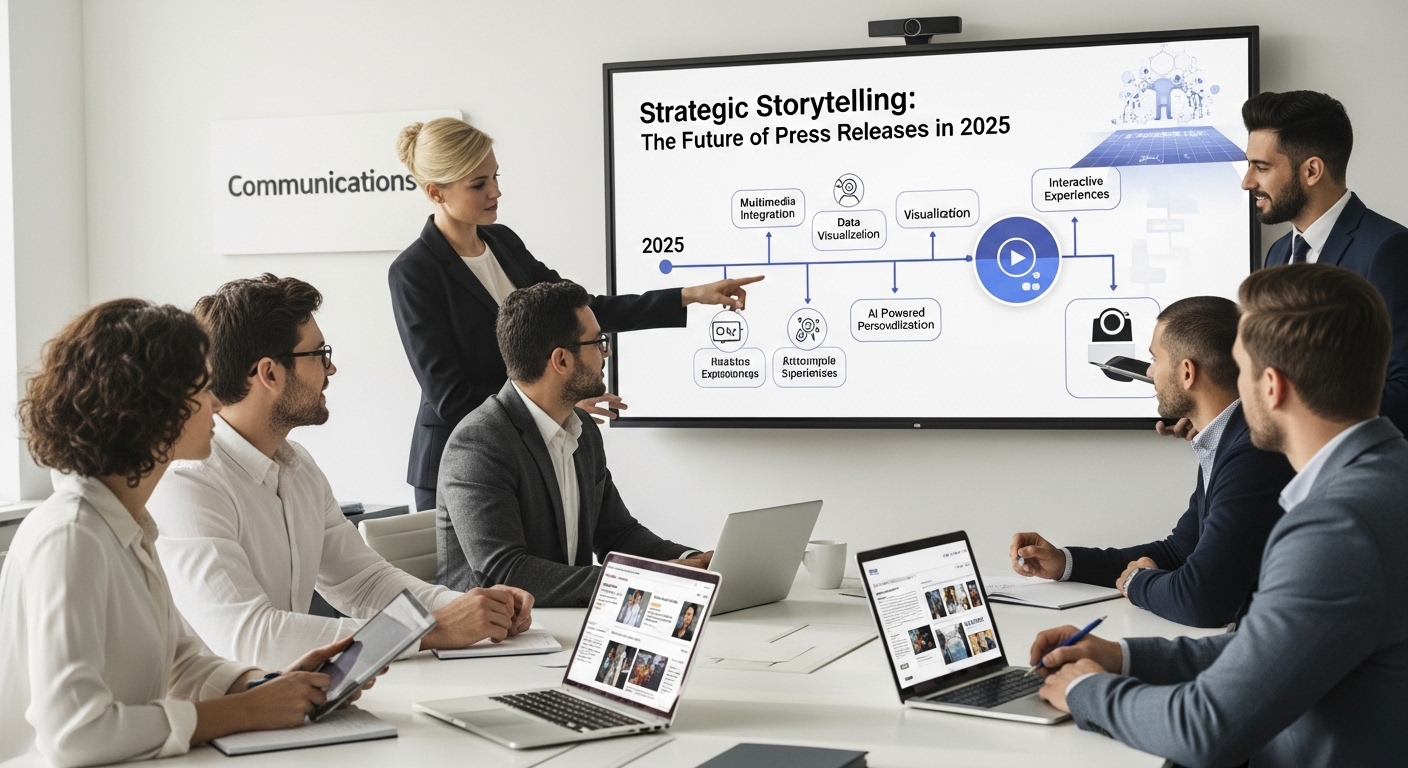
Strategic Storytelling: The Future of Press Releases in 2025

Strategic Storytelling: The Future of Press Releases in 2025

In today’s era of information overload and shrinking attention spans, traditional press releases are rapidly losing their effectiveness. Simply distributing an announcement no longer guarantees engagement or business impact. In 2025, the brands that succeed will be those that embrace strategic storytelling—crafting narratives that inform and engage audiences, build credibility, and drive measurable business results. At Evertise, we’ve observed a fundamental shift in how organisations approach PR. The most effective press releases today are not just announcements; they are strategic marketing assets. These releases are designed to: Establish authority in your industry Attract targeted and qualified traffic Generate leads and conversions across the customer journey Support broader content marketing campaigns This evolution marks the transformation of press releases from static notices into dynamic, high-impact tools. The Evolution of Press Releases: From Static Notices to Strategic Marketing Tools Historically, press releases were formal, journalistic documents meant primarily for newsrooms. They followed a strict structure: headline, dateline, body, and boilerplate. While this worked for media coverage, it offered limited value beyond publication. Today, press releases serve as full-funnel content pieces optimised for multiple channels: Search Engines (SEO): Using high-intent keywords naturally integrated into the narrative to boost organic visibility. Human Readers: Writing compelling stories that capture attention and encourage engagement. Social Sharing: Creating content that can be easily quoted, shared, and embedded across platforms. Long-Term Visibility: Serving as evergreen resources that continue driving traffic and authority months after publication. Modern press releases are no longer isolated; they are embedded into broader marketing campaigns, aligned with business objectives, and continuously measured for performance—not just media pickups. What Is Strategic Storytelling in Press Releases? Strategic storytelling is the art of crafting press releases with a purpose, designed to move readers toward meaningful action. Unlike traditional PR, which simply reports facts, strategic storytelling integrates narrative, emotion, and business insight. Key elements include: Clear Intent: Every press release should define a desired action for the reader—whether it’s visiting a website, downloading a guide, booking a demo, or investing. Audience-First Approach: Tailoring content for specific audiences, including customers, investors, partners, or journalists. SEO Optimisation: Naturally incorporating high-intent keywords to increase organic reach and search engine visibility. Multichannel Readiness: Crafting stories that are quotable, shareable, and embeddable across digital and social channels. Emotional Connection: Highlighting human interest, business impact, or industry relevance to make the narrative resonate. By combining these elements, a press release transforms from a simple news item into a strategic communication tool capable of influencing decisions and driving measurable results. Why Strategy-First Press Releases Outperform Traditional Ones A well-executed, strategic press release can deliver results far beyond what a traditional announcement can achieve. Here’s how: 1. Drive Targeted, High-Quality Traffic When aligned with relevant search intent and audience interests, strategic press releases attract qualified visitors who are more likely to convert. 2. Build Long-Term Brand Credibility Publishing on authoritative platforms enhances trust and positions your brand as an industry leader. 3. Support Sustainable SEO Keyword-optimised content with backlinks, rich media, and structured formatting continues to generate organic traffic long after the release goes live. 4. Multiply Reach Through Repurposing One well-crafted press release can be repurposed into blog posts, social media campaigns, email sequences, and even paid ads, amplifying its reach and ROI. 5. Deliver Measurable ROI Advanced analytics platforms, like those offered by Evertise, provide detailed insights on views, engagement, referral traffic, and conversions, allowing marketers to quantify the impact of each release. From One-Way Broadcast to Two-Way Dialogue The outdated “spray and pray” model of PR is no longer effective. Modern audiences, including journalists, investors, and customers, expect interaction and engagement. Strategic press releases encourage dialogue through: Strong, benefit-focused calls-to-action (CTAs) Direct links to landing pages, resources, or offers Opportunities for feedback, comments, or follow-up conversations Shareable quotes, visuals, and multimedia elements This approach transforms press releases from one-time announcements into conversation starters that actively engage your audience. How to Create a Strategic Press Release in 2025 (Step-by-Step Framework) Define Clear Goals: Determine if the objective is brand awareness, lead generation, media coverage, or sales. Identify Your Core Story: Find the human, business, or cultural angle that makes your news meaningful. Write for Multiple Audiences: Balance journalist requirements, reader interest, and search engine optimisation. Optimise for Performance: Use compelling headlines, scannable formatting, high-intent keywords, and rich media such as images, infographics, or videos. Distribute Strategically: Select targeted, high-authority channels and track results for continuous improvement. Measure & Iterate: Analyse performance data, refine your approach, and improve future releases based on actionable insights. Key Takeaways: Why Strategic Storytelling Matters Press Releases Are Not Optional: In 2025, effective PR is a strategic necessity for visibility, credibility, and growth. Narrative Strategy Drives Results: Brands that focus solely on announcements risk being lost in the noise. Data and Analytics Are Critical: Using insights to guide distribution and content creation ensures measurable ROI. Integration Across Channels: Strategic releases amplify impact when used across websites, social media, email, and paid campaigns. Conclusion In 2025, strategic storytelling is what separates high-performing brands from the rest. Press releases are no longer merely a checkbox in marketing—they are dynamic marketing tools capable of delivering lasting impact.

How to Transform One Press Release Into a Powerhouse Full-Funnel Marketing Campaign in 2025

How to Transform One Press Release Into a Powerhouse Full-Funnel Marketing Campaign in 2025

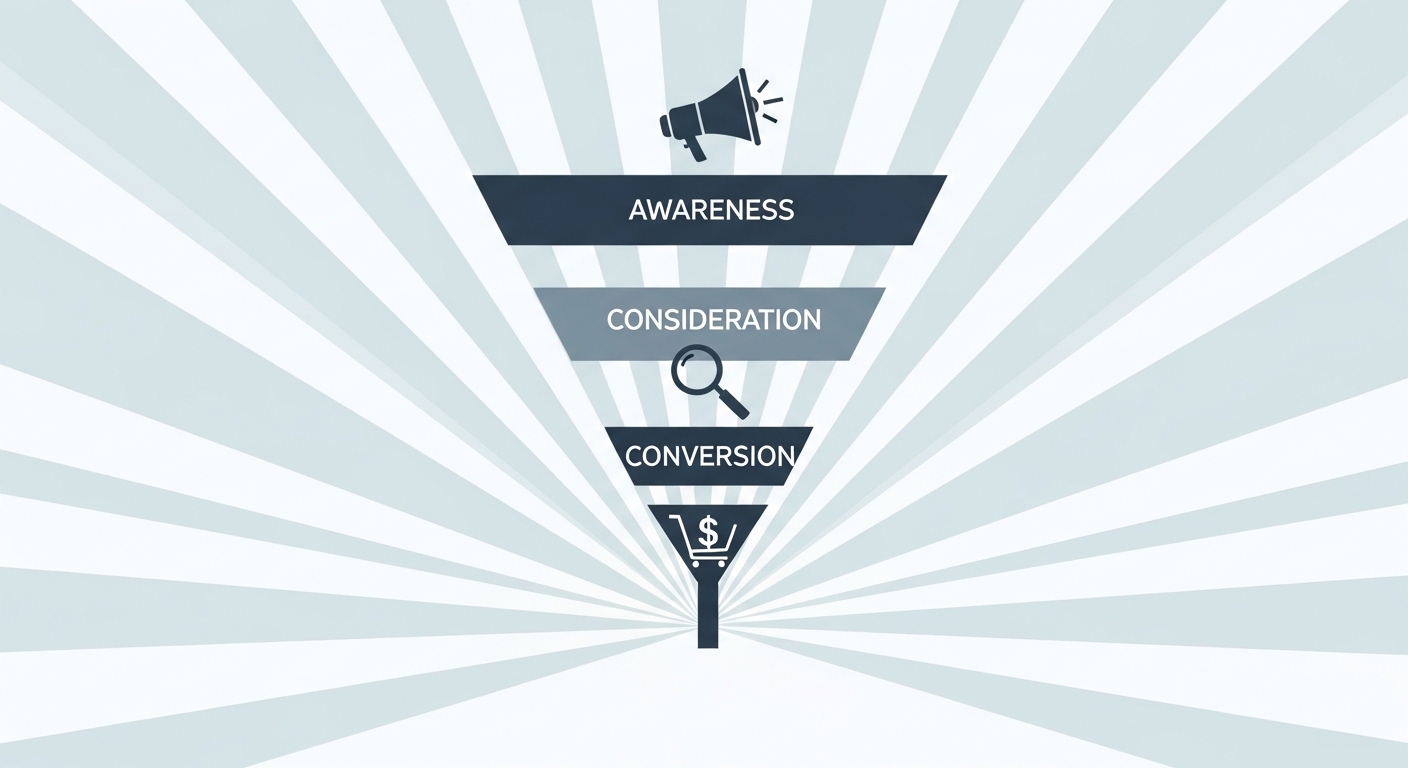
  Introduction: Redefining the Press Release in a Digital-First Era Picture this: It’s 2025, and your company just launched a groundbreaking AI tool. Instead of letting the press release gather digital dust after a few media pickups, what if it became the spark for a multi-month campaign that floods your pipeline with leads and skyrockets conversions? In today’s hyper-competitive digital marketing landscape—where attention spans are shorter than a TikTok clip and algorithms dictate visibility—a press release isn’t just an announcement; it’s a versatile powerhouse. When wielded strategically, one well-crafted release can anchor an entire full-funnel marketing campaign, guiding prospects from casual awareness at the top (TOFU), through thoughtful evaluation in the middle (MOFU), to decisive action at the bottom (BOFU), and even into loyalty beyond. According to HubSpot’s 2025 State of Marketing Report, 78% of marketers who integrate press releases into full-funnel strategies see a 40% uplift in lead quality. Yet, many still treat them as one-offs. This guide flips the script, providing a step-by-step blueprint to maximise impact. We’ll explore creation, repurposing, nurturing, conversion, measurement, and post-funnel retention—complete with real-world examples, tips, and tools. Ready to turn your next release into revenue? Let’s dive in. Step 1: Craft a Strategic, Goal-Aligned Press Release That Sets the Stage Before typing a single word, ask: What do we want this release to achieve? In 2025, press releases must be engineered like a Swiss Army knife—multi-functional and precise. Start by defining: Primary Objectives: Is it brand awareness (e.g., reaching 1 million impressions), traffic generation (e.g., 10,000 website visits), lead gen (e.g., 500 form fills), or investor buzz? Align with business KPIs. Target Audience: Segment deeply—B2C millennials on TikTok? B2B execs on LinkedIn? Use tools like Google Analytics or Audience Insights to profile demographics, pain points, and behaviours. Desired Actions: What should readers do? Visit a gated landing page? Download an eBook? Book a demo? Embed trackable CTAs with UTM parameters for attribution. Best Practices for a High-Impact Release Headline Magic: Make it keyword-rich and irresistible, e.g., “Revolutionising Retail: Our AI Chatbot Slashes Customer Wait Times by 60%—Here’s How.” Subheadline Power: Tease the benefit, e.g., “Empowering E-Commerce Brands to Boost Satisfaction and Sales Overnight.” Inverted Pyramid Structure: Front-load the who, what, when, why, and how. Follow with supporting details, quotes from executives, stats (e.g., “Backed by a 2025 Gartner report showing 85% of interactions are AI-driven”), and a boilerplate. Multimedia Integration: Add embeds for images, videos, or infographics to boost shareability. SEO Optimisation: Incorporate long-tail keywords like “AI chatbot for retail 2025” to rank in searches. Case Study: Tesla’s April 2025 Cybertruck recall press release wasn’t just damage control—it outlined safety upgrades with CTAs linking to a demo scheduler, turning a crisis into a 25% sales bump via transparency. Global Tip: For international audiences, localise language and comply with regs like GDPR—e.g., include opt-in links for EU readers. Step 2: Repurpose for Top-of-Funnel Awareness and Broad Discovery Why stop at journalists? At TOFU, your goal is to cast a wide net, attracting strangers who don’t know they need you yet. Repurpose the press release to spark curiosity and drive initial engagement, reaching prospects in discovery mode. Blog Expansion: Turn the release into a 1,500-word post with visuals, expert insights, and related trends. Embed the original for SEO juice. – Social Media Amplification: Create LinkedIn carousels (e.g., 5-10 slides breaking down key stats), long-form posts, or articles. On X, thread the highlights with polls: “What’s your biggest retail pain? Vote below!” Video Content: Produce 15-60 second Reels/TikToks/YouTube Shorts demoing the announcement. Use trending audio for virality. Visual Assets: Design quote cards, infographics, or memes for Instagram, X, LinkedIn, and Facebook. Tools like Canva make this quick. Outreach: Pitch customised angles to niche blogs, newsletters (e.g., Morning Brew), or influencers. Offer exclusives for backlinks. Goal: Maximise visibility—aim for 500,000+ impressions. A 2025 Statista report notes video content boosts TOFU reach by 120%. Example: OpenAI’s 2025 partnership with Microsoft announcement was repurposed into TikTok explainers, garnering 2 million views and funnelling traffic to their site. Sub-Section: Overcoming Common Pitfalls**: Avoid generic blasts; tailor per platform (e.g., professional on LinkedIn, fun on Instagram). Use AI tools like Jasper for rapid repurposing. Step 3: Nurture Interest in the Middle of the Funnel for Deeper Engagement Once aware, prospects evaluate: “Is this for me?” MOFU builds trust, addressing doubts with value-driven content derived from your release. Email Sequences: Add to automated nurtures—e.g., Day 1: “Thanks for reading our release—here’s a free guide.” Use tools like Mailchimp for personalisation. Case Studies: Transform the announcement into success stories, e.g., “How Our AI Helped Brand X Increase Conversions by 35%.” Website Integration: Feature on “Press” pages with embeds, boosting credibility. Add pop-ups for related downloads. Sales Enablement: Include in decks, emails, or proposals—e.g., quote snippets as proof points. Events: Host webinars, LinkedIn Lives, or AMAs tying back to the release. Invite journalists for added buzz. This stage tackles “Why trust us?” with empathy. Edelman’s 2025 Trust Barometer shows 81% of buyers need proof of expertise before committing. Case Study: Adobe’s 2025 Firefly AI update release fueled MOFU webinars, nurturing 15,000 leads into trials. Global Nuance: In markets like Asia, emphasise community—e.g., WeChat groups for discussions. Step 4: Accelerate Conversions at the Bottom of the Funnel Warm leads? Time to close. BOFU focuses on frictionless paths to purchase, leveraging the release’s momentum. Dedicated Landing Pages: Build with strong CTAs, e.g., “Claim Your Free Trial Now” linked from the release. Retargeting Ads: Use Google, LinkedIn, or Meta to hit engagers—e.g., “Saw our AI news? Book a demo for 20% off.” – ABM Tactics: Personalise for key accounts, sending tailored emails with release highlights. -Incentives: Offer urgency like “Limited-Time Demo” or checklists tied to the announcement. – Credibility Boost: Highlight pickups from Forbes or TechCrunch for social proof. A 2025 Forrester study found retargeting lifts BOFU conversions by 70%. Example: Nike’s 2025 sustainability initiative release drove BOFU through app-exclusive offers, converting 40% of engaged users. Step 5: Measure, Analyse, and Optimise for Continuous Improvement … Read more

The New Rules of Crisis Press Releases in 2025: Mastering Chaos in a Hyper-Connected World

The New Rules of Crisis Press Releases in 2025: Mastering Chaos in a Hyper-Connected World

Introduction: When Seconds Count in a World That Never Sleeps Imagine this: It’s 2025, and a data breach at your company hits X (formerly Twitter) at 3 AM. By dawn, millions have seen viral screenshots, Reddit threads are dissecting your silence, and TikTok influencers are speculating wildly. In this hyper-connected era, where information travels faster than light—literally, with algorithms pushing notifications to billions—crises don’t simmer; they explode. Traditional press releases, once drafted over 24-48 hours and emailed to journalists, are relics of a slower time. Today, you have mere hours, sometimes minutes, to respond, or risk irreversible reputational harm. But here’s the silver lining: The modern crisis press release isn’t just a defensive tool—it’s a strategic weapon. Evolved from static PDFs into dynamic, data-infused narratives, it serves as a multi-channel beacon of truth. Drawing from 2025’s high-profile mishaps—like the AWS global outage or Cracker Barrel’s logo fiasco—this guide explores how to craft responses that not only contain damage but build unbreakable trust. We’ll break down the new rules, backed by real-world examples, to help your organisation thrive amid chaos. The Death of the Delayed Response: Why Speed Is Your First Line of Defence Gone are the days when PR teams could huddle for hours, polishing statements while the world waited. In 2025, audiences demand instant accountability. Social platforms like X and Instagram turn users into citizen journalists, analysing and amplifying incidents faster than any war room. A study by Edelman Trust Barometer in 2025 revealed that 68% of consumers expect brands to respond within one hour of a crisis breaking online—up from 45% in 2020. What does a modern crisis press release look like? It must be: – Fast: Issued in 1-4 hours, starting with a holding statement to acknowledge the issue. – Precise and Factual: Stick to verified info to avoid fueling rumours. – Digital-First: Optimised for mobile viewing, with short paragraphs and shareable graphics. – Update-Ready: Designed as a living document, with links to real-time feeds. Vague placeholders like “We are investigating” now backfire spectacularly. Take the Sydney Sweeney “Great Jeans” ad controversy in July 2025: American Eagle’s campaign, intended as playful wordplay, was misinterpreted as insensitive. Their delayed, generic response—”We’re looking into it”—let backlash spiral, with #BoycottAE trending for days. Contrast this with AWS’s October outage: Within 30 minutes, they posted a dashboard update admitting the issue, calming stakeholders and preventing panic. To adapt, organisations must rethink workflows. Integrate AI monitoring tools to detect “weak signals”—early social buzz—allowing proactive responses. Remember: In a world where silence equals guilt, speed isn’t reckless; it’s essential. Data-Driven Communication: Building Credibility with Facts, Not Fluff In 2025, trust isn’t earned with apologies alone—it’s forged with data. Empty promises erode faster than ever, as savvy audiences cross-check claims on platforms like Reddit. A Pew Research study from 2025 showed that 72% of users verify corporate statements online before believing them. Every crisis press release should anchor in verifiable details: 1. Exact Timelines: Pinpoint events, e.g., “At 2:14 PM UTC, our systems flagged unauthorised access, triggering an immediate lockdown.” 2. Quantified Impact: Be specific, e.g., “0.7% of our 10 million users—approximately 70,000 accounts—were potentially exposed.” 3. Interactive Tools: Embed live dashboards or status pages for transparency. 4. Actionable Next Steps**: Outline resolutions with timelines, e.g., “Full restoration expected by 8 PM UTC; affected users will receive credits by week’s end.” Case Study: Hertz’s February 2025 data breach exposed customer info via a vendor flaw. Their press release quantified the scope (affecting 1.2 million rentals) and linked to a real-time status page, earning praise for clarity. Conversely, OpenAI’s 2025 lawsuits over ChatGPT’s mental health responses faltered due to vague impact assessments, allowing critics to fill gaps with accusations of negligence. Expand this by incorporating visuals: Use tables in your release to compare “What We Know” vs. “What We’re Investigating.” This not only boosts shareability but positions your brand as competent and honest. Tone, Transparency, and Timing: The Human Heart of Crisis Response At its core, crisis communication is about people, not policies. In 2025, robotic legalese alienates; empathy connects. Follow these principles: 1. Tone: Empathetic and Accountable – Speak like a human. “We’re heartbroken by this and taking full responsibility” beats “Regrettably, an incident occurred.” 2. Transparency: Share What You Know– Even partial facts build trust. Hide nothing verifiable. 3. Timing: Prioritise Pace Over Polish – Release a short statement first, then detailed updates. Example: The Astronomer “kiss cam” scandal in 2025—where executives’ viral concert moment raised ethics questions—highlighted tone’s power. Their initial silence bred rumours, but a follow-up empathetic release admitting the lapse and announcing an investigation turned the tide. In contrast, Target’s early 2025 DEI program wind-down used defensive language, sparking boycotts. Global Nuance: In regions like Asia, where cultural emphasis on harmony prevails, infuse releases with communal language. Tools like sentiment analysis AI can tailor tone in real-time. Press Releases as Multi-Channel Experiences: From Document to Ecosystem A standalone press release? Obsolete. In 2025, it’s the nucleus of a broader ecosystem, distributed where audiences live. Channels Include: – Website: Prominent banners and dedicated pages – Social Media: Tailored posts on X (threaded updates), LinkedIn (professional insights), Instagram (visual stories). – Video: 30-60 second CEO clips for authenticity. – Internal: Employee memos to align messaging. – Status Pages: Live updates via tools like Atlassian Statuspage. Case Study: During the Camp Mystic flood tragedy in July 2025, which claimed 27 lives, the camp’s fragmented social updatesconfusedn. A better approach, like American Airlines’ post-January crash hub (unifying press releases, family hotlines, and timelines), contained misinformation. Leverage analytics: Platforms like Meltwater track sentiment, allowing mid-crisis pivots. This transforms releases from one-way broadcasts into interactive dialogues. **From Damage Control to Strategic Advantage: Turning Crises into Catalysts** Handled right, crises aren’t endings—they’re rebirths. Brands demonstrating maturity emerge stronger, with 2025 data from Deloitte showing well-managed incidents boosting loyalty by 25%. Key Traits: Leadership: Visible accountability. Ethics: Clear values. Commitment: Long-term fixes. Example: FAA’s November 2025 flight reductions during a shutdown prioritised safety, earning public support despite … Read more

Press Release vs Marketing: What’s the Difference and Why Both Matter in 2025

n

  Introduction Every business wants three things: attention, credibility, and growth. To achieve this, companies rely on multiple communication tools. Two of the most commonly misunderstood are press releases and marketing. They often get grouped together under the same label of “promotion,” yet they serve very different purposes. A press release is about credibility and public record. Marketing is about persuasion and performance. Confusing the two leads to weak messaging, lost trust, and missed opportunities. In 2025, when consumers are more sceptical of advertising and media channels are more fragmented than ever, understanding this distinction is critical. Brands that know how to use press releases and marketing together gain authority, visibility, and measurable results. Those who do not struggle to stand out. This guide explains the real difference between press releases and marketing, how each works, and why successful businesses use both as part of a single, integrated strategy. What Is a Press Release? A press release is an official, newsworthy announcement issued by a company to inform journalists, media outlets, investors, and the public about a significant development. It follows a journalistic structure and focuses on facts rather than promotion. The goal is not to sell directly, but to inform and establish credibility. Standard Press Release Structure Headline Dateline (city and date) Opening paragraph answering who, what, when, where, and why Supporting details and context Quotes from executives or stakeholders Boilerplate company description Media contact information Common Uses of Press Releases Product launches and major updates Funding rounds, mergers, and acquisitions Leadership appointments and executive changes Strategic partnerships and collaborations Awards, certifications, and milestones Regulatory or compliance announcements The primary value of a press release lies in earned media. When a trusted third party covers your news, it acts as independent validation. Coverage in respected outlets carries a level of trust that paid advertising cannot replicate. In a digital environment where audiences actively avoid ads, this credibility matters more than ever. What Is Marketing? Marketing is a broad discipline focused on promoting products or services to attract customers, generate demand, and drive revenue. Unlike press releases, marketing is fully brand-controlled and intentionally persuasive. It highlights benefits, solves customer problems, and encourages action. Core Marketing Channels Paid advertising (search, display, social) Content marketing (blogs, guides, videos) Social media marketing Email marketing and automation Search engine optimisation (SEO) Influencer and creator partnerships Conversion rate optimisation and analytics Marketing speaks directly to customers and prospects. Its success is measured through performance metrics such as traffic, engagement, leads, conversions, and return on investment. Where press releases aim to build trust and authority, marketing focuses on growth and scale. Key Differences Between Press Releases and Marketing Purpose Press releases exist to inform and establish credibility. Marketing exists to persuade and drive action. Tone and Style Press releases are factual, neutral, and objective. Marketing content is emotional, benefit-driven, and customer-focused. Audience Press releases target journalists, media outlets, analysts, investors, and stakeholders. Marketing targets customers and prospects. Control With press releases, media outlets decide how the story is framed and whether it is covered at all. Marketing gives brands full control over messaging, timing, and presentation. Measurement Press release success is measured through media coverage, reach, impressions, backlinks, and brand sentiment. Marketing success is measured through clicks, leads, conversions, sales, and ROI. Format Press releases follow a standard structure. Marketing uses a wide variety of formats, including ads, emails, landing pages, social posts, and long-form content. These differences do not make one better than the other. They highlight why each exists and why replacing one with the other weakensthe overall strategy. How Press Releases and Marketing Work Together Press releases and marketing are most effective when they support each other. A press release creates the story. Marketing amplifies that story and turns attention into action. Example: Product Launch Strategy A press release announces the launch, explaining what the product is and why it matters. Media coverage builds awareness and third-party credibility Marketing campaigns amplify that coverage through ads, social posts, email sequences, and SEO content Landing pages and retargeting campaigns convert interest into leads and sales The result is a balanced approach that combines trust with performance. Without a press release, marketing can feel overly sales-focused. Without marketing, a press release often fades quickly without delivering a measurable business impact. Why Both Matter More in 2025 The digital environment in 2025 is defined by content overload, declining trust in advertising, and increasing competition for attention. Consumers research before they buy. They look for validation from credible sources. They want proof, not promises. Press releases help establish legitimacy and authority. Marketing ensures that legitimacy reaches the right audience and drives results. Companies that succeed understand: Press releases shape perception and narrative Marketing scales reach and drives conversions Together, they create sustainable growth. Common Mistakes Businesses Make Using press releases as sales copy Treating marketing as a substitute for credibility Ignoring SEO and long-term value in press releases Running paid campaigns without earned media support Keeping PR and marketing teams completely siloed These mistakes weaken trust and reduce effectiveness. Conclusion Press releases and marketing serve different roles, but they work best together. A press release informs, legitimises, and builds trust through third-party coverage. Marketing persuades, amplifies, and converts attention into measurable growth. They are not interchangeable. They are complementary. In 2025, the most effective brands understand how to balance both. They use press releases to shape the narrative and marketing to carry that narrative to the right audience and turn interest into action. Mastering this balance is no longer optional. It is a competitive advantage.

How to Measure the Success of a Press Release: Key Metrics & KPIs in 2026

How to Measure the Success of a Press Release: Key Metrics & KPIs in 2026

Your team crafts a stellar press release announcing a game-changing product launch. It hits the wires, and… crickets? Or does it spark a media frenzy, drive website surges, and boost sales inquiries? In 2026, with AI reshaping PR and digital noise at an all-time high, simply sending out a release isn’t enough. You need hard data to prove its worth—turning PR from a “nice-to-have” into a revenue driver. Gone are the days of vague impressions; today’s metrics link directly to business outcomes like leads, loyalty, and growth. This guide dives deep into measuring press release success, updated for 2026 trends like AI analytics and multimedia tracking. We’ll explore essential KPIs, how to track them, real-world examples, and tools to make it seamless. Whether you’re a startup PR lead or a corporate comms pro, these insights will help you quantify impact and refine strategies. Let’s transform guesswork into data-backed triumphs. Reach and Impressions: Gauging Your Message’s Spread At the foundation of any press release evaluation lies reach—how widely your story travels. In 2026, with fragmented audiences across platforms, this metric reveals initial exposure. Total Impressions: Counts how many times your release (or related coverage) appears in feeds, searches, or sites. For instance, a release distributed via PR Newswire might rack up millions if syndicated to 10,000+ outlets. Unique Reach: Focuses on distinct viewers, avoiding inflated counts from repeats. Tools like Google Analytics or Cision track this via unique IPs. Channel Breakdown: Analyse where impressions come from—wire services (e.g., Business Wire), news aggregators (Google News), or social syndication. In 2026, AI tools like Meltwater’s platform segment this by demographics, showing if you hit millennials on TikTok or execs on LinkedIn. But here’s the catch: Raw numbers are vanity metrics without context. A high reach among irrelevant audiences wastes effort. Tip: Use audience quality scoring—e.g., did it reach decision-makers in your industry? According to Meltwater’s 2025 guide (carrying into 2026), pairing reach with relevance boosts ROI by 25%. Example: When Tesla releases quarterly updates, impressions soar into billions via global syndication. But success? They track unique reach among investors, correlating it to stock bumps. Tools: Cision Communications Cloud for distribution analytics; Google Analytics for site referral  Engagement Metrics: Did They Actually Care? Reach gets eyes on your release; engagement shows if they stuck around. In a scroll-happy world, this KPI measures interaction depth. -Click-Through Rate (CTR): Percentage of viewers clicking links in your release. A compelling headline might hit 5-10%; weak ones hover at 1%. Time on Page and Scroll Depth: Via heatmaps, see if readers skim or dive deep. Aim for 60+ seconds dwell time. Interactions with Multimedia: Track plays on embedded videos, zooms on infographics, or poll responses. 2026 trend: AR/VR elements in releases (e.g., virtual product demos) spike engagement by 40%, per Notified insights. Strong engagement indicates resonance—your hook worked, content compelled. Low? Revise for brevity or visuals. Case Study: Patagonia’s 2025 sustainability release included an interactive infographic on carbon footprints. CTR jumped 15%, with 70% scroll depth, leading to 20% more site visits than text-only versions. Tools: Bitly for link tracking; Hotjar for heatmaps; PR platforms like Prowly for embedded analytics. Media Pickups and Earned Mentions: Quality Over Quantity The gold standard: Did journalists bite? Earned media amplifies credibility far beyond paid ads. -Number and Quality of Pickups**: Count articles, but weigh by tier—Tier 1 (Forbes, NYT) vs. Tier 3 (niche blogs). Follow-Up Coverage: Track spin-offs like interviews or features. Earned Media Value (EMV): Estimates ad-equivalent cost. Critique: Avoid over-relying on AVE (outdated); focus on impact. – Share of Voice (SOV)**: Your mentions vs. competitors’. In 2026, AI tools calculate this in real-time. Relevance trumps volume— a single Forbes feature can outperform 100 low-tier posts. Example: A fintech startup’s AI fraud tool release in 2025 garnered 50 pickups, including TechCrunch. EMV: $500K; SOV rose 15% against rivals, per Meltwater tracking. Tools: Muck Rack for mentions; CoverageBook for EMV/SOV reports. Sentiment Analysis: What’s the Vibe? Beyond counts, how do people feel? Sentiment reveals perception shifts. Tone Breakdown: Positive (80% ideal), neutral, negative—via AI scanning coverage/social. Media vs. Public Sentiment: Compare journalist tones to user comments. Trend Over Time: Monitor pre/post-release changes. 2026 twist: Generative AI (e.g., in Cision) analyses nuance, like sarcasm, with 95% accuracy. Essential for crises: A negative spike? Pivot fast. Case: Johnson & Johnson’s 2020 recalls used sentiment tracking to rebuild trust—positive shifts correlated to stock recovery. Tools: Brandwatch or Lexalytics for AI sentiment; integrate with Google Alerts.  Website Traffic and Conversions: Linking to Business Wins PR’s ultimate proof: Did it drive action? Referral Traffic: Use UTMs to trace visits from release links. Bounce Rate/Time on Site: A low bounce (under 50%) means engaged visitors. Goal Completions: Forms, bookings, sales—track via funnels. – Attributed Revenue: Pipeline value from PR-sourced leads. In 2026, attribution models (e.g., multi-touch) credit PR accurately amid cookie-less tracking. Example: HubSpot’s inbound releases drive 30% traffic spikes, converting 10% to demos—ROI clear via Google Analytics. Tools: Google Analytics 4; HubSpot CRM for conversions. Social Media Signals: Amplification in the Wild Social extends reach organically. Shares/Reposts/Mentions**: Viral potential. Hashtag/Trend Performance: Did #YourLaunch trend? Influencer Engagement: Key endorsements. Social Sentiment/Comments: Qualitative insights. High signals mean resonance; low? Amp up shareability. Case: Nike’s equality campaigns explode socially—millions of shares, boosting brand loyalty. Tools: Hootsuite; Sprout Social. Journalist Engagement: Nurturing Relationships For pitched releases, track outreach efficacy. – Open/Click Rates: Email metrics. -Replies/Requests: Interview asks. – Review Time: Asset interactions. Low? Refine subjects or targeting. 2026: AI personalisation boosts opens by 20%. Tools: Mailchimp; Muck Rack CRM. Choosing the Right Metrics: Align with Your Goals Tailor KPIs: Awareness: Reach, impressions, shares. -Leadership: Pickups, sentiment, SOV. Leads/Sales: Traffic, conversions. Crisis: Sentiment shifts. Use dashboards for holistic views.  Best Practices and Tools for 2026 – Set baselines pre-release. – Integrate AI for automation. – Avoid pitfalls: No AVE reliance; focus on multi-channel. – Tools Suite: Cision (all-in-one), Google Analytics (traffic), Meltwater (KPIs). Real-World Wins: Press Releases That Measured Up Tesla: EMV in billions, tied to sales. Small Biz: Local … Read more

Are Press Releases Dead in 2026? The Data Says They’re Thriving

Are Press Releases Dead in 2026? The Data Says They're Thriving

A startup announces a groundbreaking AI tool via a simple press release. Within hours, it’s picked up by TechCrunch, shared across LinkedIn by influencers, and boosts the company’s website traffic by 300%. No flashy ad campaign, no viral TikTok stunt—just a strategically crafted release that cut through the noise. In an era of AI-generated content floods, shrinking newsrooms, and algorithm-driven feeds, you might think press releases are relics of the fax-machine age. But the data from 2025-2026 tells a different story: They’re not just surviving; they’re evolving into powerhouse tools for visibility, credibility, and growth. Far from dead, press releases in 2026 are dynamic assets that blend tradition with tech, delivering measurable ROI when done right. This isn’t hype—it’s backed by fresh insights from industry leaders like Cision, Muck Rack, and eReleases. As digital landscapes shift, press releases have adapted, proving indispensable for brands big and small. Let’s dive into why, how they’ve transformed, and how you can leverage them to stand out. The Evolution of Press Releases: From Static to Strategic in 2026 Press releases have undergone a quiet revolution. Once rigid, boilerplate documents faxed to news desks, they’re now multimedia-rich, SEO-optimised digital experiences designed for a fragmented media ecosystem. Key trends shaping their 2026 renaissance include: -Personalised, Data-Driven Distribution: No more blanket emails. Tools like AI-powered platforms analyse journalist beats, past coverage, and preferences to target pitches precisely. According to Cision’s 2025 State of the Media Report, tailored outreach increases response rates dramatically, as journalists drown in irrelevant noise. Interactive and Multimedia Formats: Embed videos, infographics, polls, or even AR previews directly in releases. These aren’t just bells and whistles—they boost engagement. eReleases notes that multimedia elements can double dwell time on a release, signalling value to search engines. AI Integration for Efficiency and Creativity: 92% of PR teams use generative AI for drafting or optimising content, per Cision’s Inside PR 2026 report. But the best releases pair AI with human storytelling—ensuring authenticity amid rising disinformation concerns flagged in Muck Rack’s 2025 State of Journalism survey. -Mobile-First and SEO Optimisation: With 60%+ of news consumption on mobile, releases must load lightning-fast and rank in Google News or AI overviews. Trends show releases influencing local SEO and even generative AI summaries, as seen in recent tests by Sterling Sky. These shifts make press releases more than announcements; they’re content hubs that amplify across social, email, and search. In 2026, they’re not “old school”—they’re the smart bridge between earned media and owned channels.  How Press Releases Supercharge SEO in 2026 Search engines love authoritative, fresh content—and optimised press releases deliver it in spades. They generate backlinks from high-domain sites, improve rankings for branded terms, and appear in Google News carousels, driving organic traffic that compounds over time. Here’s how to make yours an SEO powerhouse: Keyword Strategy Done Right: Weave primary keywords (e.g., “AI ethics tools 2026”) naturally into headlines, intros, and body text. Secondary terms like “sustainable tech innovations” add depth without stuffing. Tools like SEMrush can reveal what journalists (and readers) search for. -Headline Mastery: Craft irresistible, keyword-rich headlines under 60 characters. “Revolutionary AI Tool Launches, Backed by 50% Efficiency Gains” beats vague corporate speak every time. Link Building Built-In: Include 3-5 dofollow links to your site, landing pages, or socials. Track them with UTM parameters for attribution. -Multimedia Magic: Images, videos, and infographics aren’t just visual aids—they increase time-on-page, a key SEO signal. Distribute via services like PR Newswire for syndication to 10,000+ sites. High-Authority Distribution: Platforms like Business Wire or EIN Presswire ensure reach to journalists, bloggers, and aggregators, creating a ripple effect. One well-placed release can spawn 50+ secondary articles. Data backs this: 68% of businesses report enhanced brand exposure post-release, per Cision research carried into 2025 analyses. In local SEO tests, releases have lifted pack rankings and influenced AI overviews, proving they’re not dead for discoverability—they’re essential. Well-crafted releases don’t just rank; they become evergreen assets, fueling content repurposing for blogs, newsletters, and podcasts. Attracting Journalists: Standing Out in a Sea of Pitches Journalists are busier than ever, fielding hundreds of pitches weekly amid staff cuts and AI tools. Yet, a compelling press release remains their go-to for stories. Muck Rack’s 2025 report highlights disinformation as a top concern, making verifiable, newsworthy releases more valuable than ever. Updated stats paint a clear picture: 72% of journalists prefer receiving news announcements or press releases from PR pros, according to Cision’s 2025 State of the Media Report—up from prior years, as they seek trusted sources amid shrinking newsrooms. Over 57% receive 50+ pitches weekly, but only about 10% are relevant to their beat (echoing Muck Rack and Cision findings). -89% view official press releases as the most trusted source** for organisational news, per eReleases analyses. To earn coverage, hook with timeliness (tie to current events), unique angles (data-backed exclusives), and quotes from executives or experts. Include boilerplate for context, but lead with the “why now” story. Follow up personally—relationships trump volume. Case in point: When Patagonia issued a release on its latest sustainability initiative, it wasn’t just facts—it included exclusive data and a call to action that resonated, landing features in The Guardian and beyond. Relevance wins; irrelevance gets deleted.  Building Credibility and Trust: The Long Game of Press Releases In a sceptical world, press releases are trust signals. They position brands as transparent leaders, fostering loyalty among customers, investors, and employees. Key benefits include: Amplified Visibility: That 68% exposure boost translates to real-world gains, like investor interest or talent attraction. – Customer Loyalty Through Transparency: Honest updates on challenges (e.g., supply chain issues) build empathy. Studies show trust correlates with repeat business—releases reinforce it. Internal Boosts: Sharing wins internally via releases lifts morale. Employees become advocates, amplifying externally. Stakeholder Alignment: For public companies, releases maintain compliance and narrative control, as noted in Business Wire’s 2026 PR trends. Consistency matters: Regular releases signal stability. During crises, they’re lifelines for controlled messaging. Brands like Johnson & Johnson have historically used them to rebuild trust post-scandals, proving … Read more

From Distribution to Discovery: How AI Redefined PR in 2025 and What 2026 Demands

From Distribution to Discovery: How AI Redefined PR in 2025 and What 2026 Demands

Introduction: When PR Stopped Being a Channel The public relations industry rarely changes overnight. It evolves gradually, shaped by technology, media habits, and shifting expectations of trust. Yet in 2025, PR crossed a clear and irreversible threshold. Artificial intelligence stopped being a productivity enhancer and became the underlying infrastructure through which communication is created, distributed, discovered, and evaluated. For decades, press releases functioned as distribution vehicles. They were written for journalists, sent through wires or email lists, and measured by coverage volume. In 2025, that model quietly collapsed. Press releases became modular, searchable, AI-native assets designed not only for human readers but for algorithmic interpretation, retrieval, and summarisation. Visibility was no longer driven by who received the release. It depended on how clearly information was structured, how verifiable it was, and how well it could be understood by AI-powered search engines, conversational interfaces, and knowledge systems. This shift forced PR leaders to confront a deeper question. If AI systems increasingly mediate how information is discovered and trusted, what is the true role of public relations? This article examines how AI reshaped PR in 2025, the tensions and risks that emerged, and what organisations must prioritise to remain credible and effective in 2026. 2025 in Context: PR Became Infrastructure. By 2025, AI adoption in PR was no longer optional, experimental, or limited to innovation teams. It became structural. AI systems were embedded into daily workflows, influencing everything from drafting and localisation to media monitoring and crisis response. PR teams relied on AI to analyse sentiment in real time, optimise headlines for discoverability, adapt messaging for different stakeholders, and monitor reputational risk across fragmented media environments. These capabilities were not treated as add-ons. They became baseline expectations. At the same time, the nature of PR output fundamentally changed. Press releases evolved into multi-purpose assets. They functioned as searchable knowledge objects, reference points for AI search engines, and verified records for investors, regulators, and customers. In many organisations, PR content began feeding internal systems just as much as external audiences. PR was no longer simply a communications function. It became part of the organisational infrastructure, supporting governance, compliance, and long-term reputation management. Market Dynamics and Budget Shifts The PR industry continued to grow in 2025, but the way money was allocated changed significantly. Spending became more disciplined and increasingly tied to measurable outcomes. Budgets shifted toward initiatives that could demonstrate tangible business impact. Leaders prioritised visibility in AI-driven search environments, reputation resilience during moments of volatility, and alignment with marketing, SEO, investor relations, and public affairs. PR teams were asked not only what they published, but what outcomes their work supported. The long-standing practice of pursuing media coverage for its own sake declined. Stakeholders wanted clarity on how PR contributed to trust, discoverability, and long-term brand value. Output without impact became difficult to justify. Private Equity and the Financial Validation of PR One of the clearest signals of PR’s changing role came from private equity. Throughout 2025, investment interest in PR agencies, public affairs firms, and communications technology platforms increased. Investors recognised that in an AI-accelerated and geopolitically volatile environment, narrative control and reputation management are not soft skills. They are strategic assets. Organisations with a strong communication infrastructure were better positioned to navigate regulatory pressure, misinformation, and market uncertainty. PR was no longer viewed simply as a cost centre or support function. It became a critical layer in enterprise risk management and long-term value creation. Key AI Transformations in PR Operations AI became central to multiple PR capabilities in 2025. Generative systems supported drafting, background materials, executive quotes, and FAQs. Monitoring tools tracked media coverage and sentiment across traditional outlets, social platforms, and emerging AI-driven channels. Predictive models flagged potential issues before they escalated. These tools dramatically improved speed and scale. However, they also introduced new challenges. As content production became easier, differentiation became harder. As monitoring improved, expectations around responsiveness increased. As AI systems generated more output, the burden of verification grew heavier. The transformation was not purely operational. It was philosophical. PR teams had to decide what role humans should play in systems capable of generating content faster than it could be meaningfully consumed. The Content Inflation Crisis By mid-2025, the consequences of widespread generative AI adoption became impossible to ignore. The volume of polished press releases increased sharply, but engagement rates declined. Media pickup became more selective. Audiences grew sceptical and fatigued. Content inflation exposed a hard truth. AI can produce language, but it cannot produce significance. When everyone can generate well-written announcements, clarity and originality become the true differentiators. The most effective PR teams responded by slowing down rather than speeding up. They focused on fewer releases, stronger data, clearer narratives, and more intentional messaging. Strategy, not volume, regained its importance. Trust as the Central Battleground Trust emerged as the defining issue for PR by the end of 2025. Stakeholders questioned authorship, verification, and the role of AI in content creation. Concerns about hallucinations, undisclosed synthetic content, and deepfakes intensified. Transparency shifted from a best practice to a baseline expectation. Regulatory scrutiny increased, particularly in sectors such as finance, healthcare, and technology. Organisations were expected to know how their content was created, validated, and distributed. PR teams found themselves at the centre of these concerns. They were no longer responsible only for messaging, but for ensuring the integrity of the information ecosystem surrounding their organisations. How Press Release Distribution Changed Distribution in 2025 was no longer about reach alone. It was about discoverability. Successful press releases were optimised for journalists and stakeholders, but also for algorithmic ranking systems, AI summarisation tools, and conversational search interfaces. Structure mattered. Verification mattered. Quotability mattered. Press releases needed to function over time, not just on launch day. They had to support long-term visibility through search engines and knowledge graphs. In this environment, clarity and factual precision consistently outperformed promotional language. The Evolution of PR Roles and Skills The transformation of PR systems reshaped PR roles. Professionals were expected to develop skills in … Read more

Press Releases vs. Marketing: Key Differences, Synergies, and Why They’re Essential in 2026

Press Release vs Marketing: What’s the Difference and Why Both Matter in 2025

Every brand today is fighting the same battle: attention. Feeds refresh endlessly, ads blur together, and audiences are more sceptical than ever. When a company launches a new product, announces funding, or enters a partnership, one question always comes up: Do we push ads immediately, or do we lead with a press announcement? The real answer in 2026 is not “either-or.” It’s both. Press releases and marketing are often grouped under the same umbrella, but they serve very different purposes. One builds credibility. The other drives action. When used together, they create momentum that neither can achieve alone. As we move deeper into a world shaped by AI-generated content, ad fatigue, and fragmented media consumption, understanding this distinction is no longer optional. It’s strategic. This guide breaks down what press releases and marketing really are, how they differ, how they work together, and why brands that ignore either one are already falling behind. What Is a Press Release in 2026? A press release is a formal, factual announcement designed to communicate newsworthy information to media outlets, journalists, investors, and stakeholders. Its purpose is not to sell directly. Its purpose is to inform, establish legitimacy, and earn attention through third-party validation. At its core, a press release answers five questions clearly and quickly: Who is involved? What happened? When did it happen? Where did it happen? Why does it matter? Modern Press Release Structure While the structure remains familiar, execution has evolved: Headline: Clear, news-driven, not promotional Dateline: City and date Lead Paragraph: The core announcement in one or two sentences Body: Supporting details, quotes, context Boilerplate: Brief company overview Media Contact: Clear and accessible What’s changed in 2026 is distribution and optimisation. Press releases are now written not just for journalists, but also for: Search engines News aggregators AI-powered discovery tools Industry databases SEO-optimised press releases can rank for years, becoming evergreen credibility assets rather than one-day announcements. When Press Releases Matter Most Press releases are most effective for: Product launches Funding announcements Acquisitions and mergers Leadership changes Strategic partnerships Awards and milestones Regulatory or compliance updates Their real value lies in earned media. Coverage from respected outlets carries trust that paid campaigns cannot buy. In an era where consumers increasingly distrust ads, this credibility gap matters more than ever. What Is Marketing Today? Marketing is the broader system responsible for driving awareness, engagement, and revenue. Unlike press releases, marketing is not neutral. It is intentionally persuasive. It highlights benefits, frames value, and asks the audience to take action. In 2026, marketing is deeply data-driven and increasingly AI-assisted. Core Marketing Channels Modern marketing includes: Paid advertising (search, social, display) Content marketing (blogs, videos, guides) Social media and community building Email marketing and automation SEO and performance content Influencer and creator partnerships Conversion optimisation and analytics Marketing speaks directly to customers. It controls timing, messaging, and frequency. Success is measured in clicks, leads, conversions, and revenue. Where press releases aim to inform the market, marketing aims to move the market. Press Releases vs Marketing: The Real Differences The confusion between PR and marketing usually comes from overlap in visibility, not function. Here’s the clear distinction: Press releases build trust Marketing drives behaviour Press releases are designed for credibility and long-term reputation. Marketing is designed for performance and scale. Press releases are constrained by journalistic standards. Marketing is constrained by budgets and audience tolerance. Both are essential. Neither replaces the other. Why Integration Is Non-Negotiable in 2026 The biggest shift in recent years is not in tools, but in audience psychology. Consumers now: Research before buying Verify claims through third-party sources Distrust overly polished ads Expect brands to stand for something real This is where press releases and marketing reinforce each other. A press release creates legitimacy. Marketing amplifies and converts that legitimacy into action. Example: Product Launch Strategy Press release announces the product with facts, vision, and context Media coverage builds awareness and authority Marketing campaigns retarget readers and viewers Content marketing explains use cases and benefits Paid ads convert warm audiences Without PR, marketing feels sales-heavy. Without marketing, PR lacks momentum. The Role of AI and SEO in This Relationship AI has changed both fields, but in different ways. For press releases: AI assists with drafting and structure SEO optimisation increases long-term discoverability Data analysis improves targeting of media outlets For marketing: AI enables personalisation at scale Predictive analytics improve ROI Automated testing refines messaging continuously The key is alignment. When PR messaging and marketing narratives contradict each other, audiences notice. When they reinforce each other, trust compounds. Regional and Emerging Market Impact In regions like South Asia and the Middle East, digital growth has reshaped how brands use PR and marketing. Localised press releases, regional media partnerships, and language-specific announcements build credibility faster than global ad campaigns alone. When paired with mobile-first marketing strategies, brands often see significantly higher engagement and conversion rates. This is especially relevant for startups and service-based businesses trying to compete with larger players. Common Mistakes Brands Still Make Treating press releases as sales copy Publishing marketing claims without PR validation Running ads without any credibility layer Ignoring SEO in press releases Separating PR and marketing teams completely In 2026, siloed strategies are a liability. Conclusion Press releases and marketing are not competing tools. They are complementary forces. Press releases shape perception. Marketing drives results. The most successful brands in 2026 understand that credibility fuels conversion, and conversion sustains credibility.